Size and layout come first
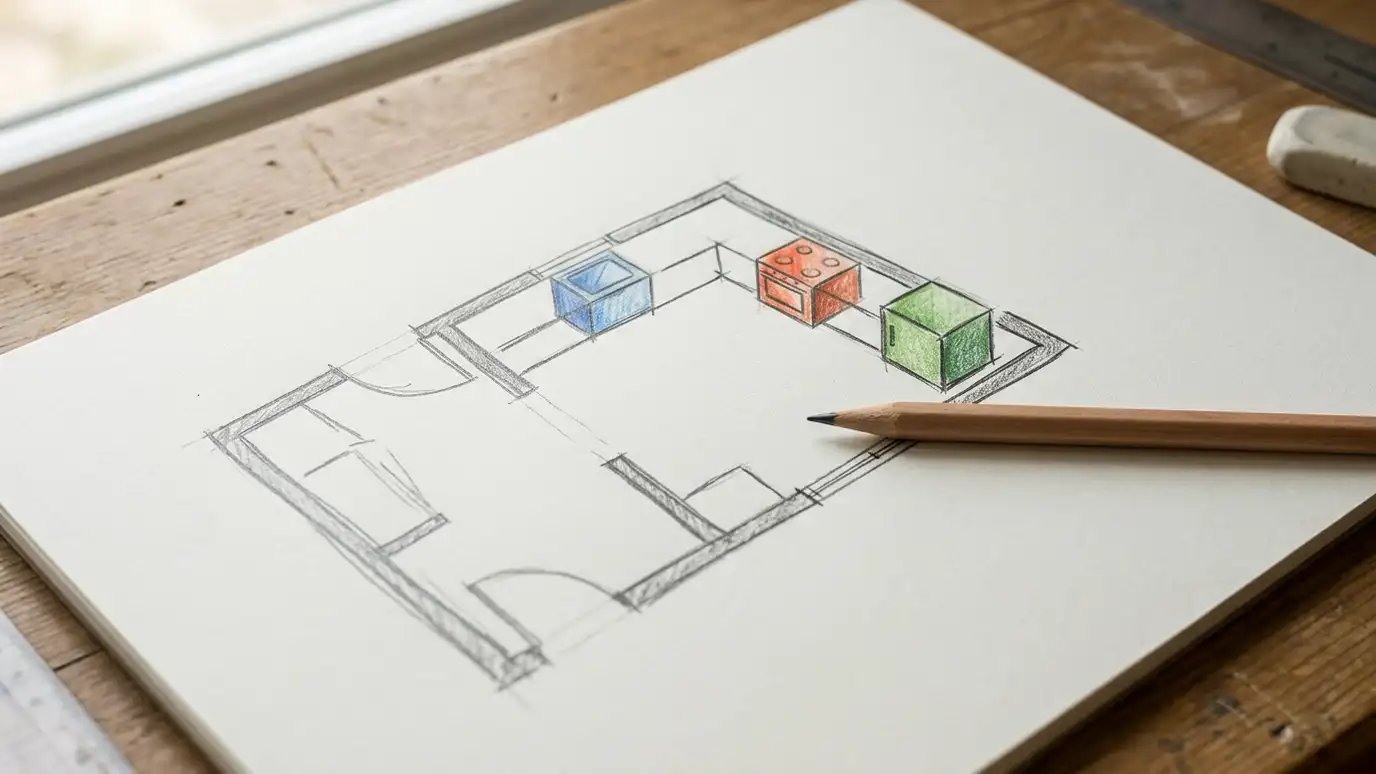
The number of cabinets is the biggest driver. A small galley kitchen needs far less material and labor than a large kitchen with an island and a pantry wall.
Complex layouts cost more than simple ones. Corners, tall units, appliance panels and angled walls all add design and building time.
Measuring your room, even roughly, in linear feet of cabinets is the first step toward a realistic range.
Materials and construction
What the box and doors are made of changes the price. Plywood boxes, solid wood frames and dovetail drawers cost more than thin particleboard and stapled drawers, and last longer.
Door style matters too. A flat slab door is simpler to build than a raised panel or an inset door that must be fitted by hand.
Ask each company what is in the boxes, the drawers and the doors, since a quote that does not say may be hiding a cheaper choice.
Finish and color
Paint and stain are not all the same. A catalyzed, multi-step finish costs more than a quick coat, and special effects such as glazing add labor.
Dark colors and high-gloss sheens show flaws, so they require more preparation.
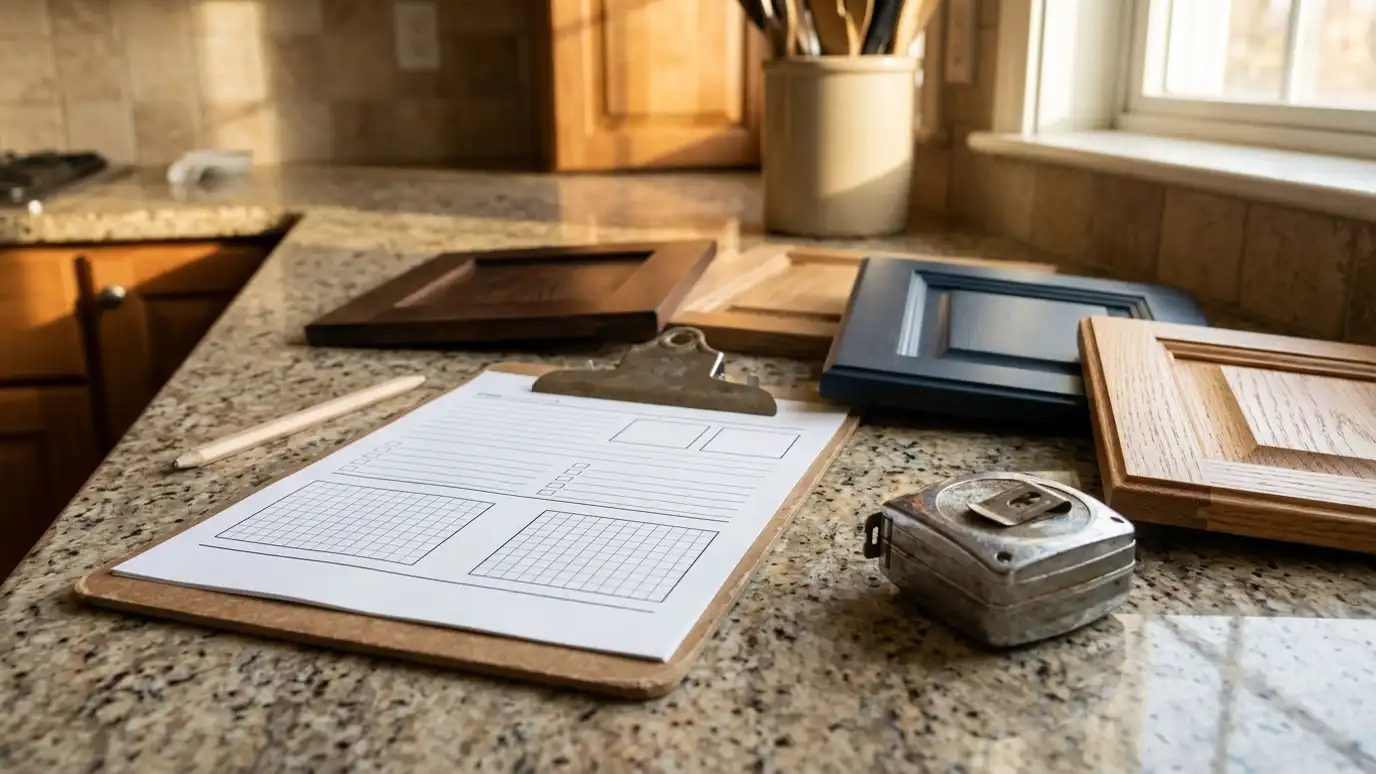
Samples in your own light help you decide where finish quality is worth the investment.
Hardware and interiors
Soft-close hinges, full-extension slides, pull-outs, dividers and lighting all add value and cost. Decide which features you will use every day and which you can add later.
Decorative pulls and knobs range from simple to elaborate, and the choice can move the total up or down noticeably.
Ask for hardware to be listed by type in the written scope.
Installation and coordination
Installation includes delivery, removal of old cabinets, leveling, fastening, trim and adjustment. Some quotes include it and others do not.
Countertops, plumbing, electrical work, backsplash and paint are usually separate trades, and they must be coordinated with the cabinets.
A project with many trades takes more planning, and the cabinet company should help keep the order straight.
Comparing quotes fairly
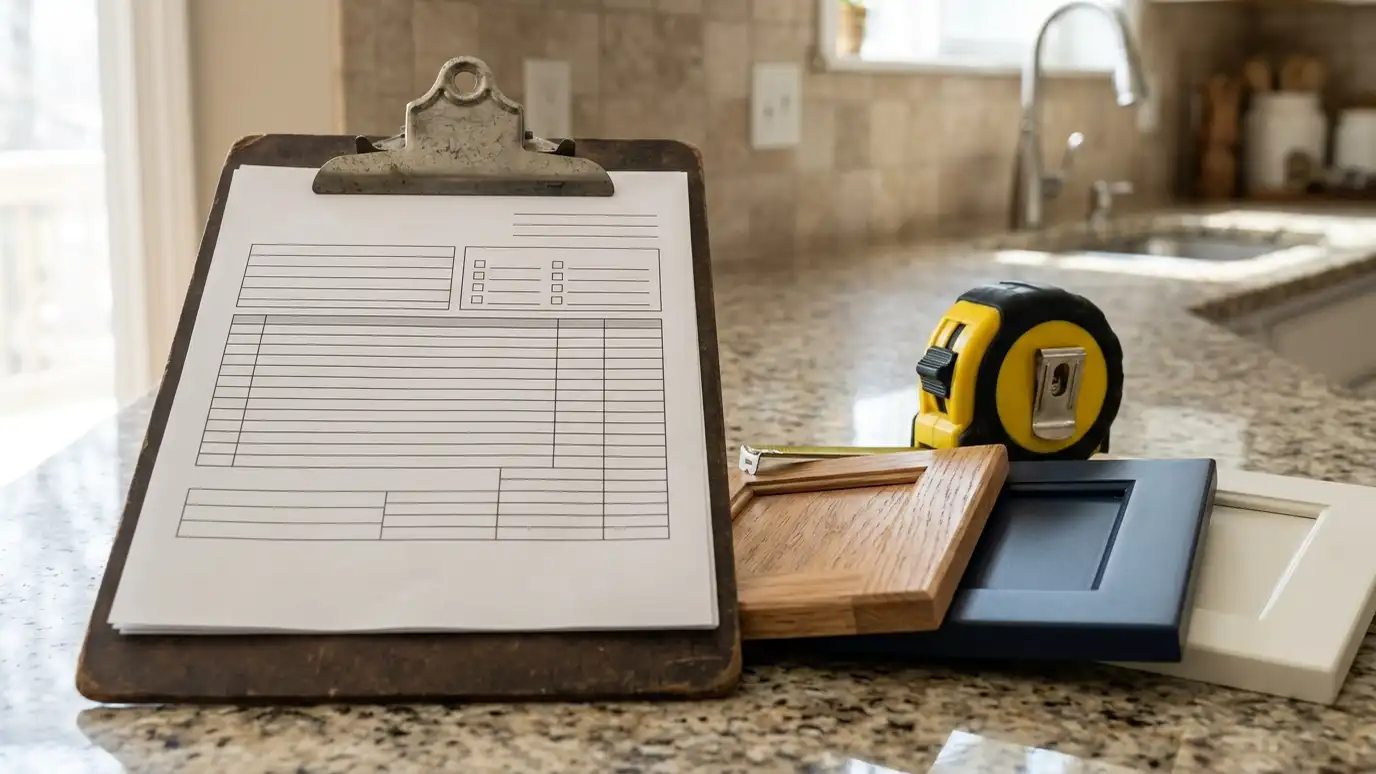
Give each company the same drawings or the same description, and ask for the same breakdown. Look at inclusions, exclusions, materials and installation.
A low quote that leaves out half of the work is not a bargain, and a higher quote may simply be more complete.
Our bid scorecard and second opinion service can help you line up proposals using your own priorities.
Compare scope and materials before price: the boxes, doors, drawers, hardware and installation should be written down in every quote.