Solid woods
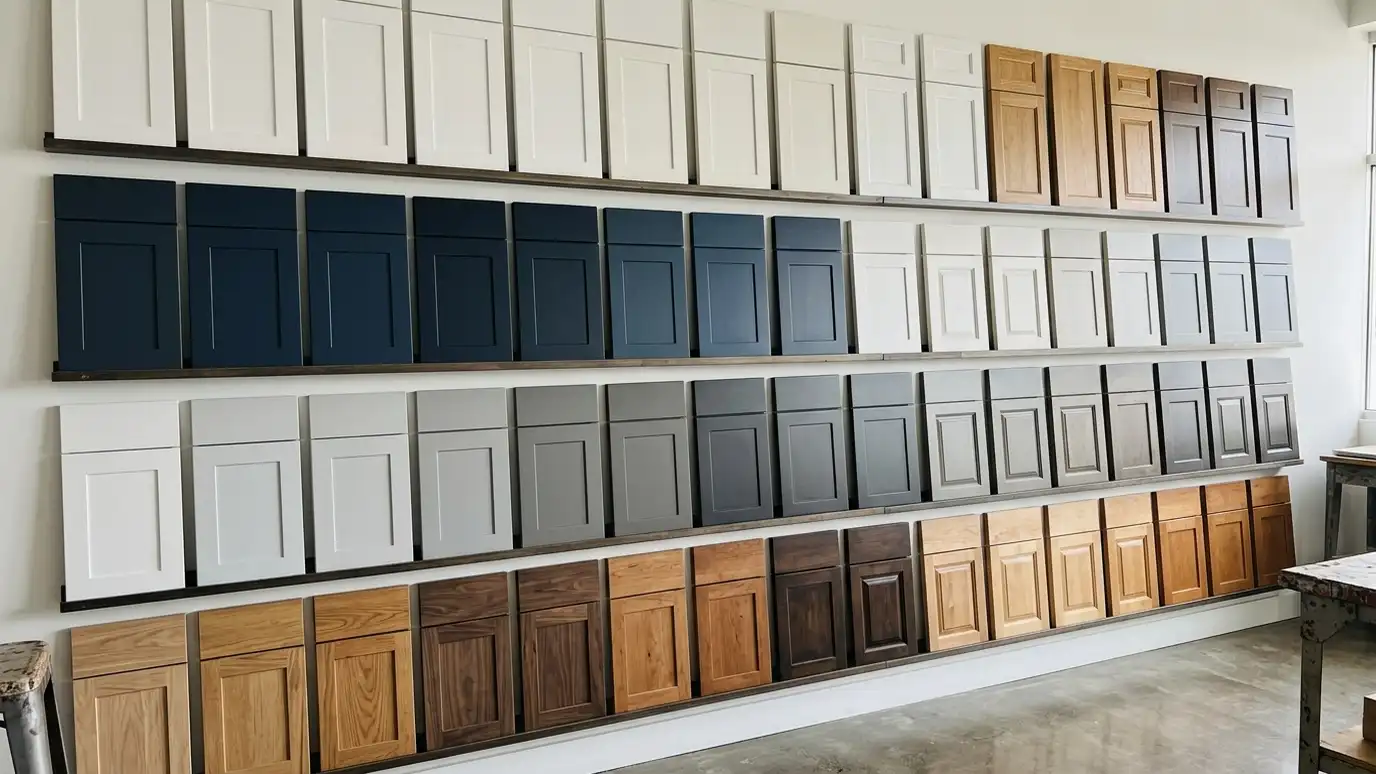
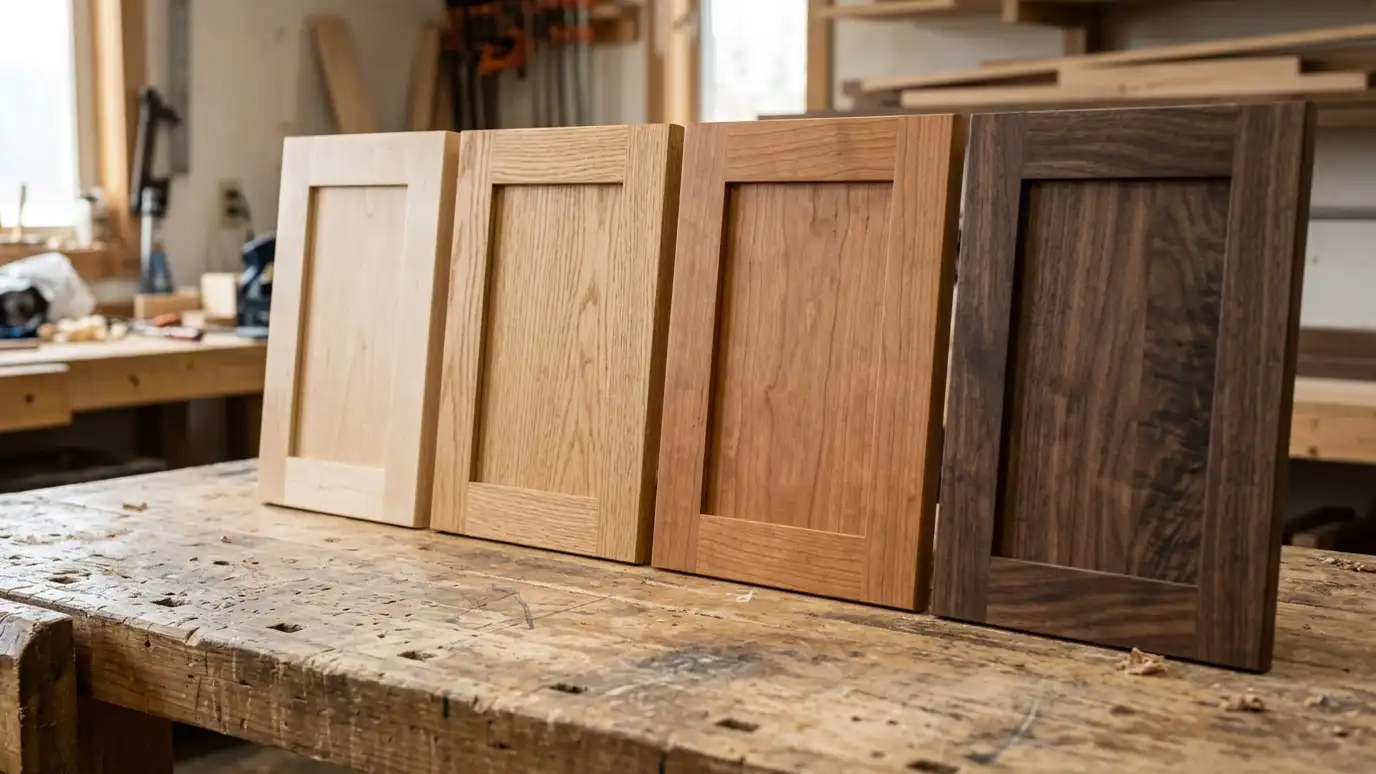
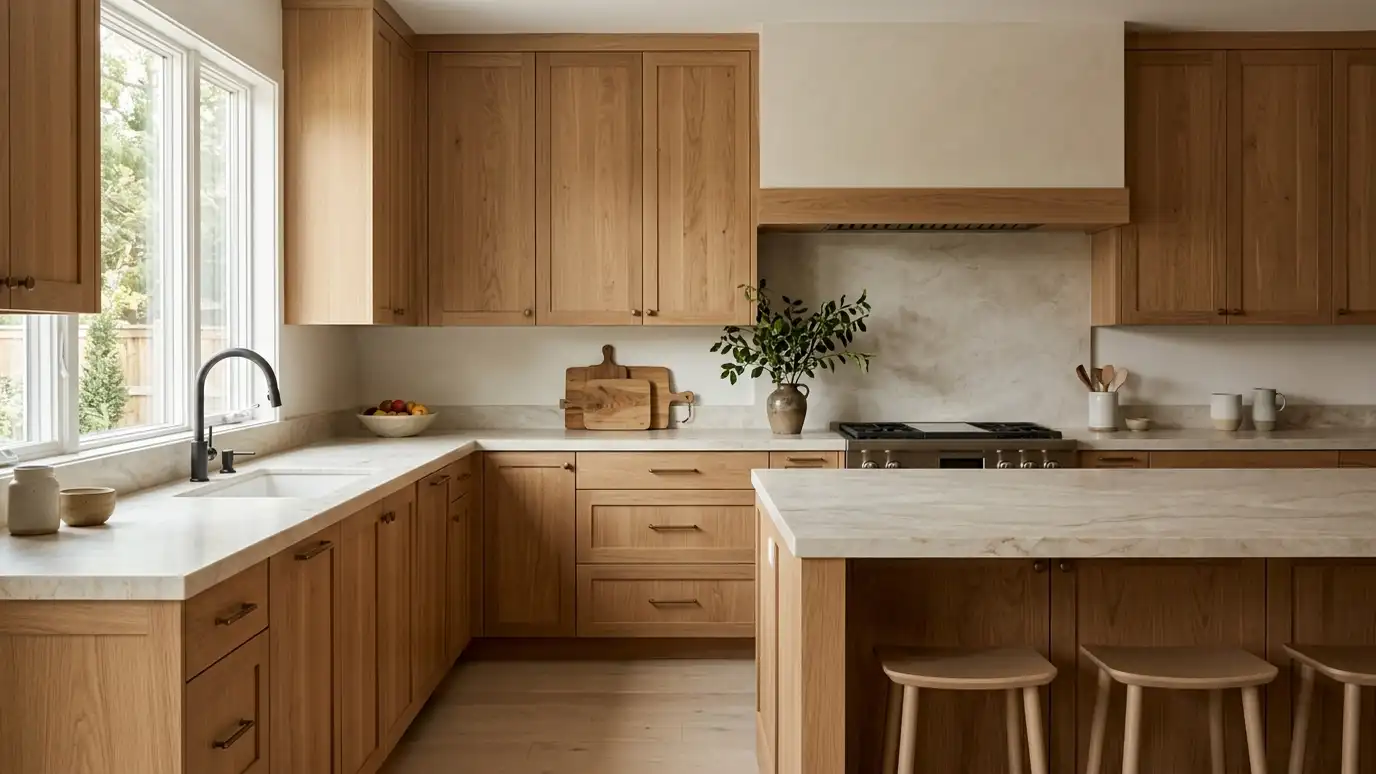
Maple is smooth and takes paint well. Oak has a strong grain. Cherry is warm and deepens with age. Walnut is rich and dark.
Solid wood is beautiful and repairable, but it moves with humidity.
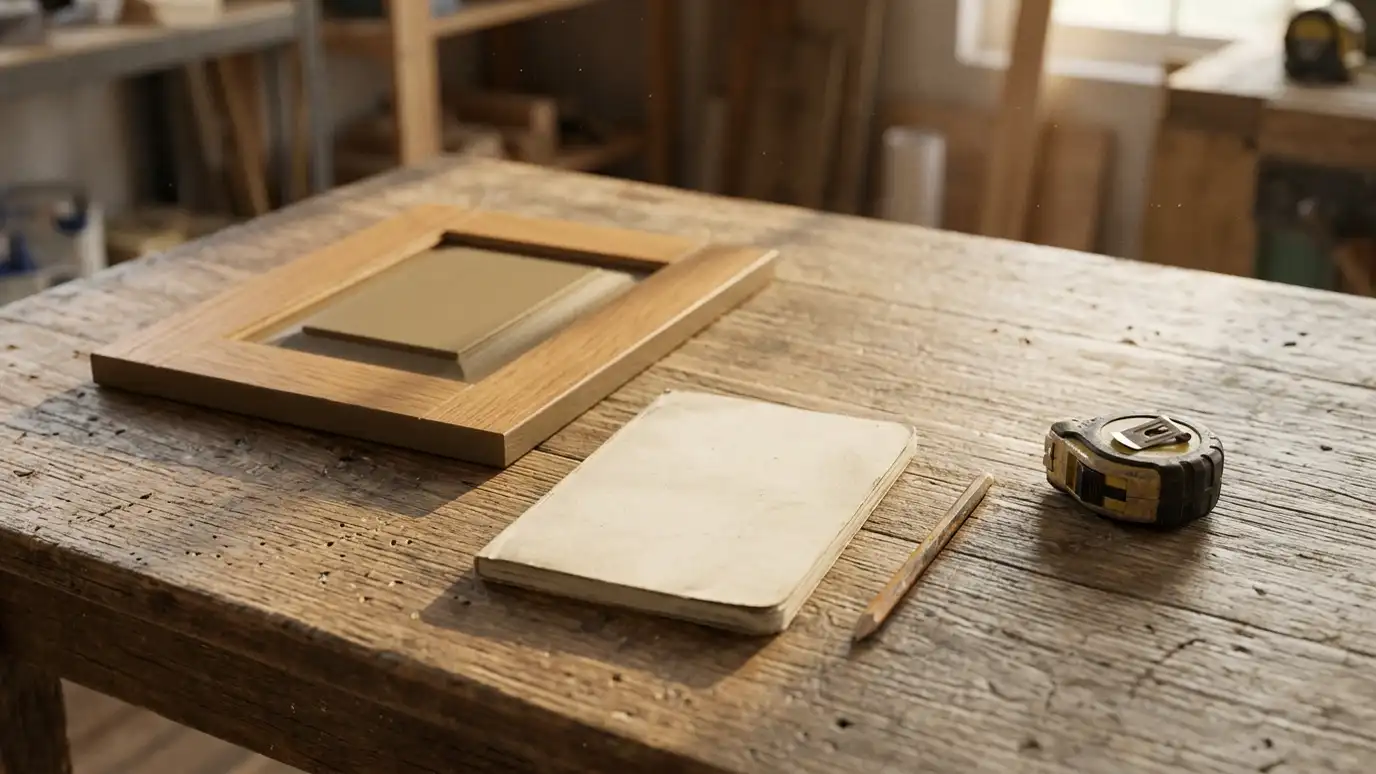
Frames and many doors use solid wood for strength and character.
Panels
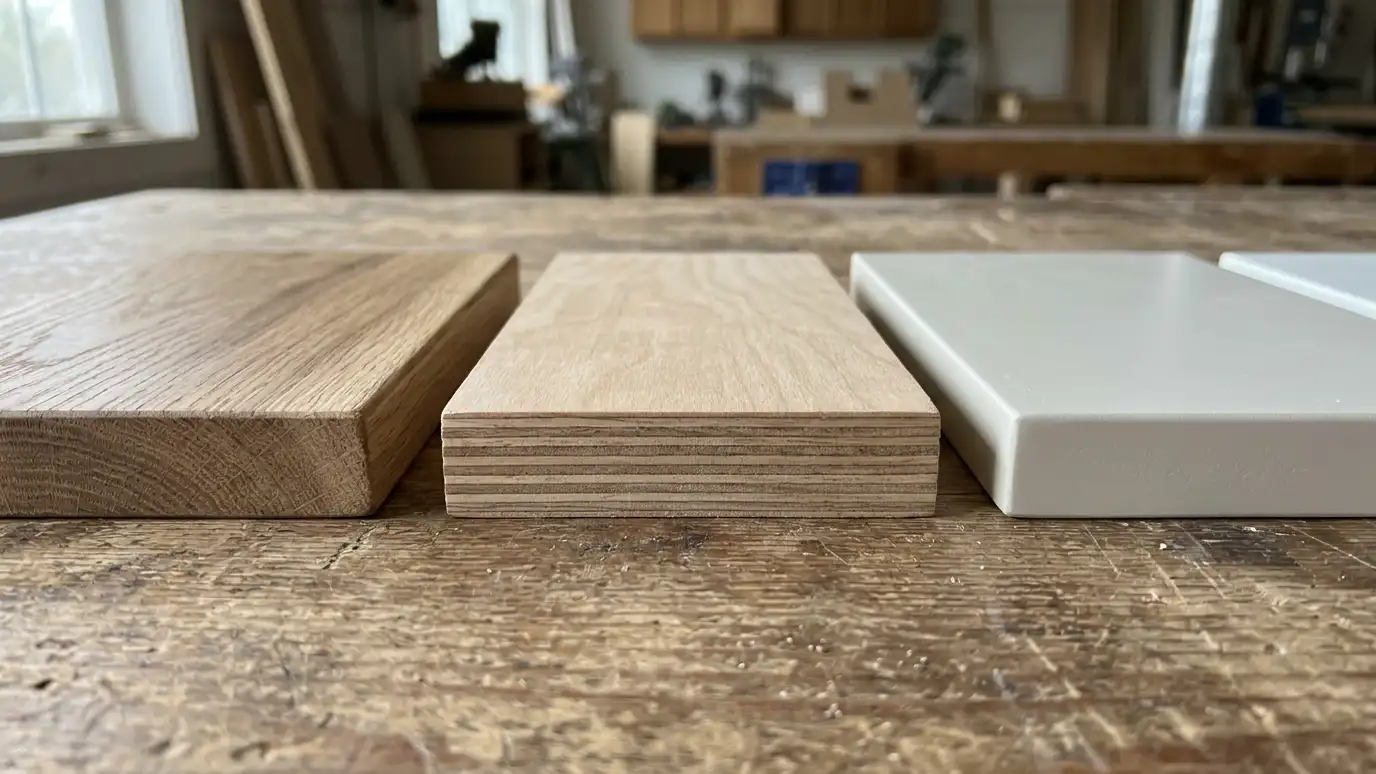
Plywood is stable and strong, and common for boxes and shelves. MDF is very smooth and ideal for painted panels. Particleboard is economical but weak against moisture.
Veneer is a thin layer of real wood over a stable core.
Ask what the box, shelves, doors and drawers are made of.
Finishes
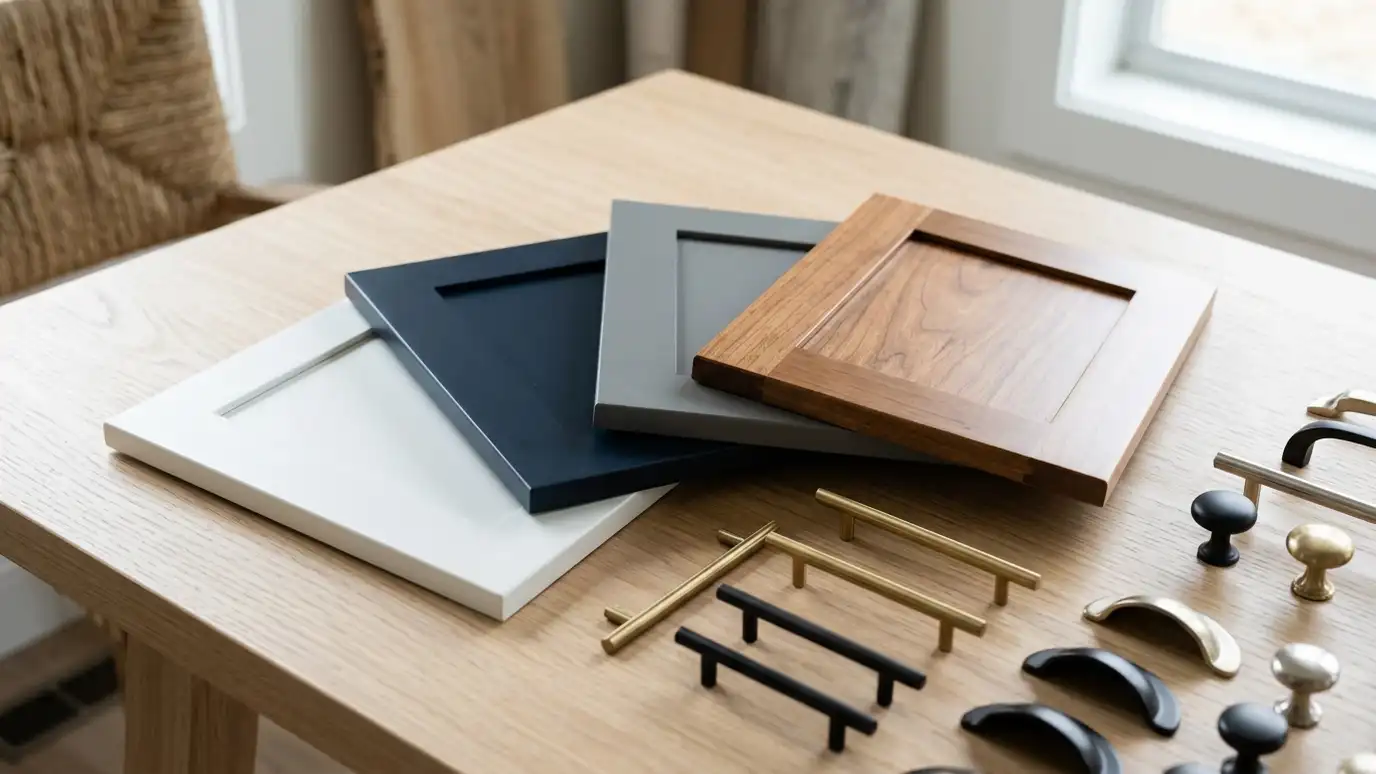
Paint gives color and a clean look. Stain shows the grain. A clear topcoat protects either.
Catalyzed and conversion finishes are very durable. Lacquer repairs easily. Water-based coats have low odor.
Sheen from flat to gloss changes the look and the cleaning.
Hardware
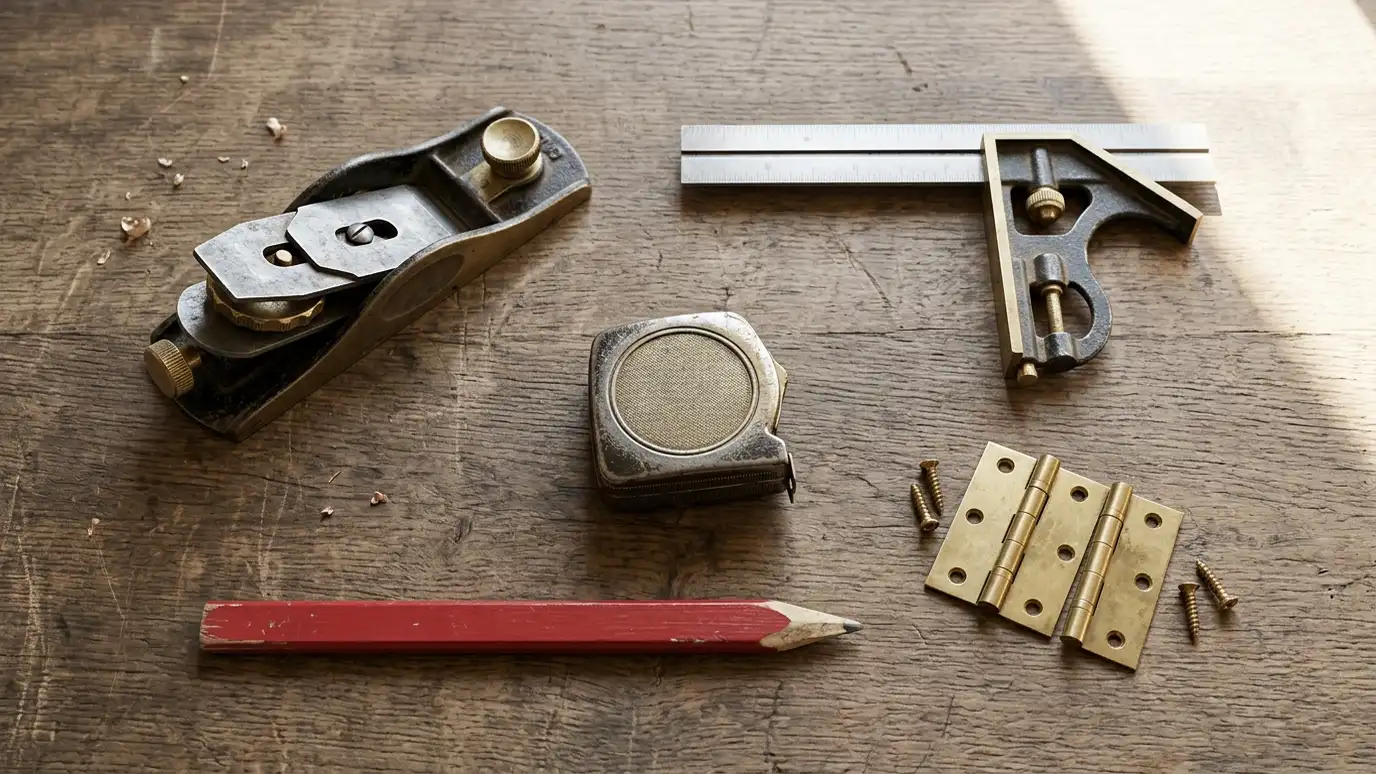
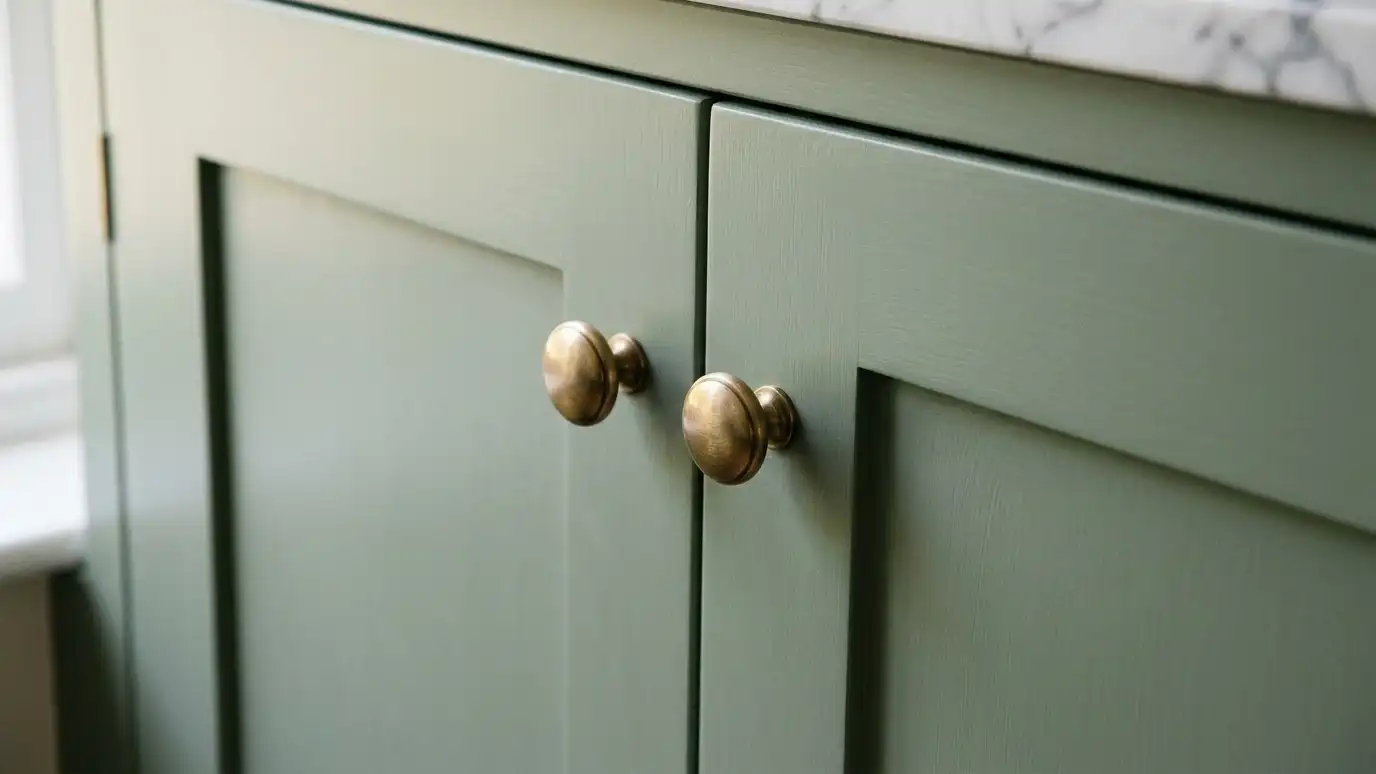
Hinges and slides affect how cabinets feel. Soft-close and full-extension slides are worth considering.
Pulls and knobs change the look and the comfort.
Choose hardware rated for the loads you plan.
Counters and surfaces
Quartz, granite, solid surface, butcher block and laminate each have different looks, weights and care needs.
Heavy tops need level, secure cabinets.
Choose counters and cabinet colors together.
Low-emission choices
Some panels and finishes have lower emissions. Water-based finishes have less odor.
Responsibly sourced wood can be labeled.
Ask what is in your cabinets and read official sources for details.
Choose materials for how each part will be used: wood where it shows, stable panels where it must stay flat and tough finishes everywhere.